 Koicha (thick)
Matcha Uji Mukashi
Koicha (thick), sourced from Uji, Yabukita cultivar
¥2484 (30g) — ~$15.72 USD (converted)
~$0.52 per gram
Grade
Koicha (thick)
Cultivar
Yabukita
Region
Uji
Price in context
At $0.52 per gram, it costs less than 77% of the other 969 matchas in the database with a confirmed price and size. Among the 353 Uji matchas with a confirmed price, the median is $1.28 per gram, and this one is well under the regional median. Among Horii Shichimeien's 13 matchas with a confirmed price, this is its cheapest per gram.
Compared across 970 products with a confirmed price and size, with yen, pound and euro prices converted to dollars. See how Uji compares · How we research
Sourcing
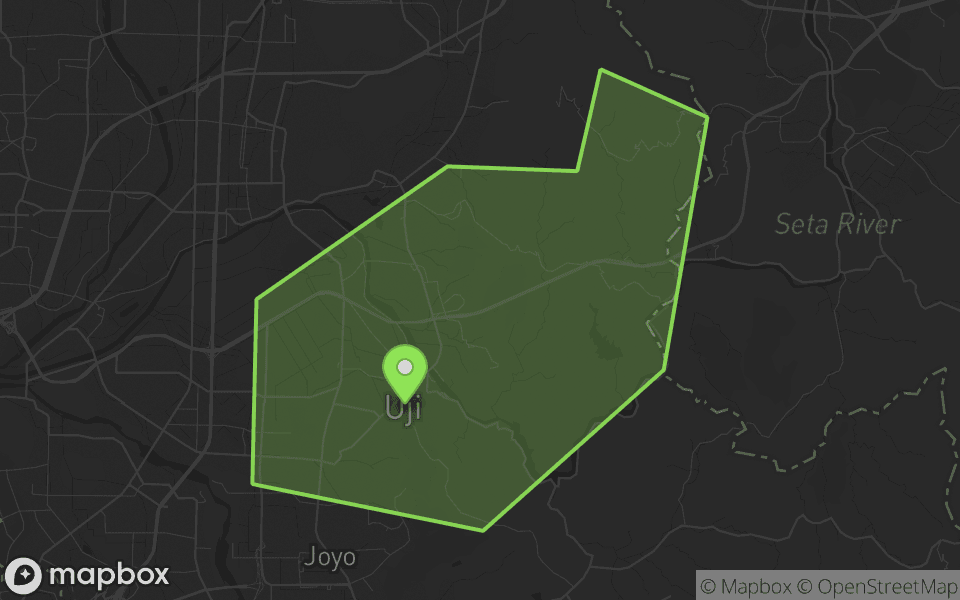
Uji, Japan
View the full sourcing map →Tasting notes
Has the aroma and flavor of freshly ground tea and is easy to drink; often used as a thin tea at tea ceremonies
Composition
EGCG
77 mg/g
Yabukita cultivar — Shimadzu Corp. / NARO joint HPLC analysis, Application News No. L583 (2020) — Yabukita cultivar, 7.70 g/100g EGCG
Pricing as disclosed
Full details
Everything disclosed on the product page (18 fields)▾
- Price
- ¥2,484 JPY (regular and sale price listed identically)
- Size
- internal volume 30g
- Availability
- Sold out
- Origin
- Kyoto, Japan
- Composition
- Traditional Uji Matcha Blend
- Tea Gardens
- Wazuka, Ujitawara, Minamiyamashiro and Kamo, Kyoto
- Cultivars
- Yabukita, Okumidori, Gokou and others
- Harvest Season
- First Flush (Ichibancha)
- Harvest Method
- Shear-Harvested
- Shading Method
- Direct Shading, Traditional Shelf Shading (Tana)
- Shading Period
- 20-25 Days
- Processing
- Stone-milled
- Recommended Use
- Usucha
- Serving Guide
- 2 g for Usucha / 4 g for Koicha
- Shelf Life
- Best Before: 6 months from the date of manufacture
- Flavor Description
- Has the aroma and flavor of freshly ground tea and is easy to drink; often used as a thin tea at tea ceremonies
- Packaging
- Only 20g and 30g cans come with a box
- Gift Options
- Noshi wrappers available in Red and White (Celebration) or Yellow and White (Buddhist rituals)
Research notes
This is the lowest-priced product captured in this set (¥2,484), consistent with 'Recommended Use: Usucha' only (entry-level thin-tea positioning), though the general serving guide line still lists a Koicha gram amount. Tea gardens and cultivar list are nearly identical to Matcha Agata no Shiro (Wazuka, Ujitawara, Minamiyamashiro and Kamo, Kyoto), differing mainly in one cultivar (Gokou here vs. Saemidori for Agata no Shiro) and price - these appear to be closely related but distinct blends from the same source gardens.
More Koicha matcha from Uji



More from Horii Shichimeien
Horii ShichimeienMatcha Agata no Shirohoriishichimeien.comHorii ShichimeienMatcha Choukou no Mukashihoriishichimeien.com