Tea cultivar
Gokou matcha
Gokou, also written Gokō, is a Kyoto cultivar selected in the early 1950s, around the same time as Samidori and Asahi, and grown mainly in small plots for shaded tea and matcha. It is known for its aroma, which sellers describe as creamy, chocolatey or like steamed milk.
Because it is delicate, it tends to be grown in small quantities and often appears in competition-oriented matcha.
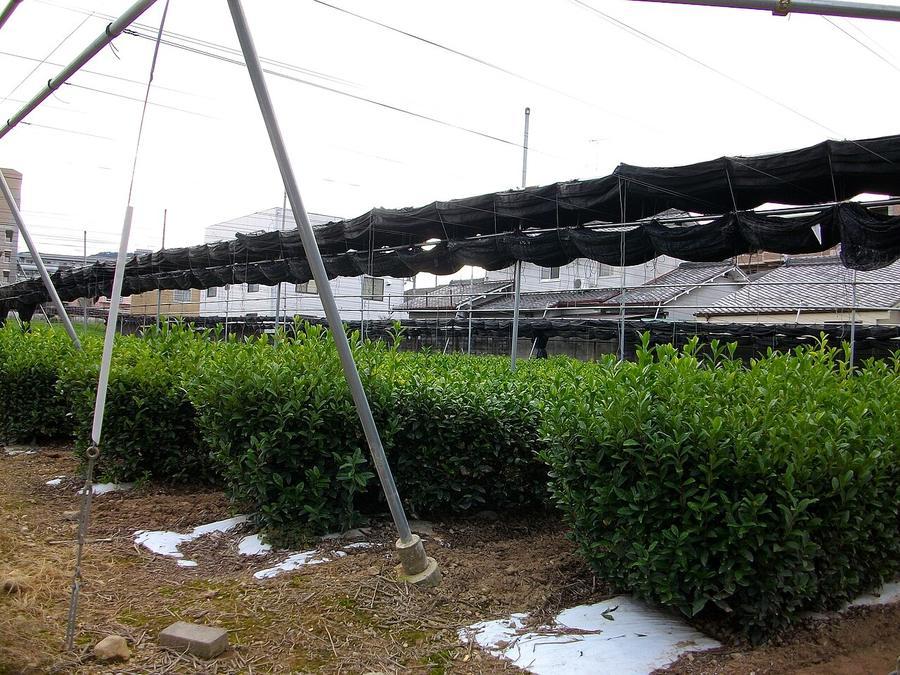
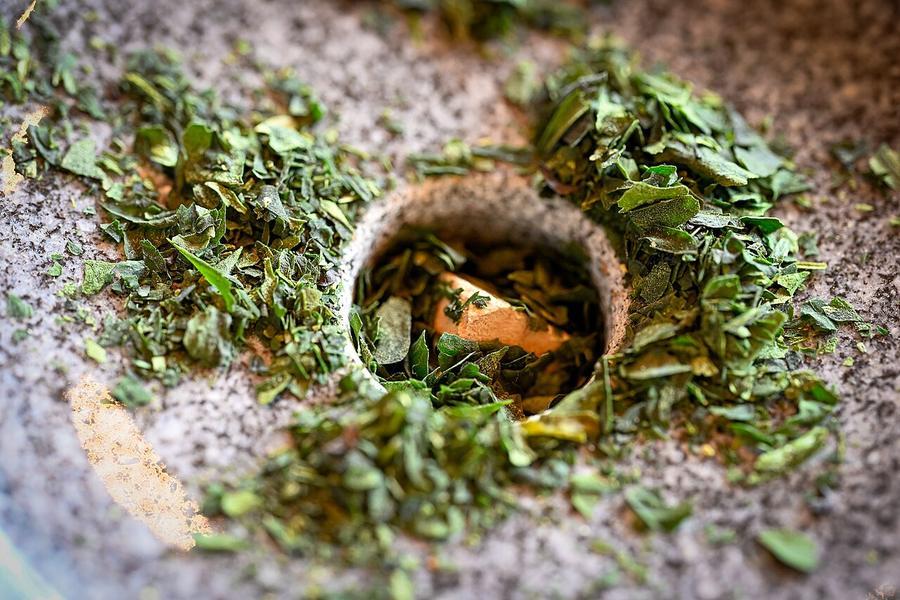
Profile
- Origin
- Kyoto, selected in the early 1950s
- Common uses
- Tencha (matcha), shaded teas
- Typical description
- Aromatic: creamy, chocolatey, steamed-milk notes
Background from published sources, which sometimes differ in detail: Premium Health Japan: guide to matcha cultivars; Tealife Japanese Tea Pedia: Gokou.
Background
- Name
- 後光 (gokō): the halo of light around a Buddha figure
- Registered
- 1954, as a Kyoto Prefecture recommended cultivar, from native Uji tea gardens
- Harvest
- Mid-season, with an extremely short optimal harvest window
- Under shade
- Described as having an incense-like aroma
Background from published sources, which sometimes differ in detail: Tealife Japanese Tea Pedia: Gokou.
Where it is grown
Mostly Uji, in small plots.
Pins show the growing regions that brands name on their product pages for Gokou matcha, sized by how many products. They show where the leaf is grown, never where a company is based.
12
plain matcha powders naming Gokou
10
brands
$49.03
median per 30 g (all matcha $32.87)
$30.61–$64.13
middle half of prices
By grade (as each brand labels it)
| Grade | Products | Median / g | Middle half |
|---|---|---|---|
| Ceremonial | 7 | $32.49 | $22.87–$49.03 |
| Koicha | 5 | $63.00 | $60.00–$108.00 |
By growing region
| Region | Products | Median / g | Middle half |
|---|---|---|---|
| Uji | 3 | $46.80 | $39.65–$53.40 |
| Shizuoka | 3 | $24.95 | $22.87–$43.98 |
| Shirakawa | 2 | $112.50 | $110.25–$114.75 |
Brands naming this cultivar (up to eight)
| Brand | Products | Median / g | Middle half |
|---|---|---|---|
| Tezumi | 3 | $60.00 | $53.40–$88.50 |
| Kettl | 1 | $108.00 | $108.00–$108.00 |
| Naoki Matcha | 1 | $32.49 | $32.49–$32.49 |
| Obubu Tea Farms | 1 | $20.63 | $20.63–$20.63 |
| Maison Koko | 1 | $47.00 | $47.00–$47.00 |
| PARU Tea | 1 | $63.00 | $63.00–$63.00 |
| River & Stone Tea | 1 | $67.50 | $67.50–$67.50 |
| Azuma Tea Garden | 1 | $51.05 | $51.05–$51.05 |
Rows with fewer than three products (two for regions, one for brands) are left out. “Middle half” is the per-30 g price range from the 25th to the 75th percentile. 58% of these powders are listed as organic.
Flavor notes brands report
Share of Gokou powders with reported flavor notes that mention each one.
Gokou matcha from well-known brands
One product per brand first, in order of brand recognition.

 TezumiHotaru - Organic Isagawa Gokou Matchatezumi.com
 Naoki MatchaUjitawara Special Matchanaokimatcha.com
 Obubu Tea FarmsGokou Matchaobubutea.com
 Azuma Tea GardenWazuka no Mukashi - Gokou Cultivar Matcha, Naturally Grown by Azuma Tea Garden, Standard Ceremonial Gradeyunomi.life
 Maison KokoPremium Ceremonial Matcha (Gokou Cultivar)maisonkoko.com



Common questions
What does Gokou matcha taste like?
Among Gokou matcha whose brands report flavor notes, the most common are umami (89%), sweet (78%), rich (56%). Flavor depends as much on shading, harvest and milling as on the cultivar, so treat this as a guide to what brands say, not a guarantee.
Is Gokou used for ceremonial or culinary matcha?
Of 12 plain Gokou matcha powders in the database, 7 ceremonial, 5 koicha. Grades are the labels brands choose, and there is no official standard behind them.
Where is Gokou matcha grown?
Brands that name a growing region for Gokou matcha most often name Uji (3), Shizuoka (3), Shirakawa (2). This is where the brand says the leaf was grown, as stated on its own product page.
How much does Gokou matcha cost?
Across 12 Gokou matcha powders from 10 brands, the median is $49.03 per 30 g and the middle half fall between $30.61 and $64.13, above the $32.87 median for all matcha powders on the site.
How these numbers were made
Counts and prices cover plain matcha powders whose own product page names Gokou: flavored blends, tea bags, sweetened mixes, packs under 20 grams and products without a verified price are excluded, and only brands that ship to the United States are included. A blend of several cultivars is counted once, under the first cultivar found on its page. Prices are converted to US dollars and shown per 30 g. Descriptions of a cultivar's character come from published sources and sellers; we do not taste or rank products.