 Ceremonial
Midori no Shiro
Ceremonial, sourced from Kyoto, Gokō cultivar
From $27.00 (30g)
~$0.90 per gram
Grade
Ceremonial
Cultivar
Gokō
Region
Kyoto
Price in context
At $0.90 per gram, it costs less than 55% of the other 969 matchas in the database with a confirmed price and size. Among the 92 Kyoto matchas with a confirmed price, the median is $1.34 per gram, and this one is below the regional median. Among Hekisuien's 8 matchas with a confirmed price, this is the 5th-cheapest per gram.
Compared across 970 products with a confirmed price and size, with yen, pound and euro prices converted to dollars. See how Kyoto compares · How we research
Sourcing
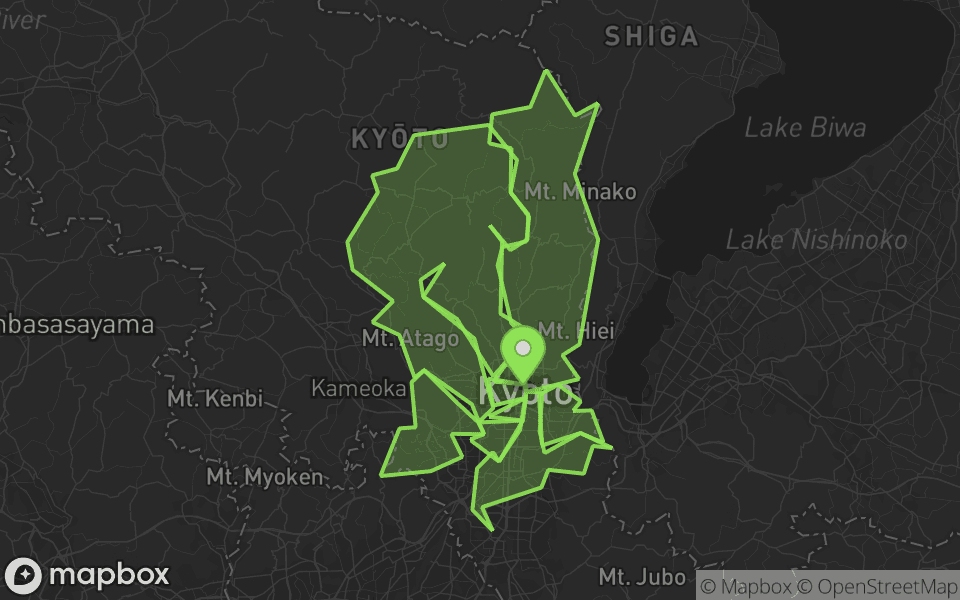
Kyoto, Japan
View the full sourcing map →Tasting notes
Smooth, medium-bodied flavor with satisfying umami richness, gentle bitterness, and a touch of natural sweetness that lingers; fresh and grassy aroma; clean finish described as both energizing and grounding
Umami and sweetness balanced with appropriate bitterness and astringency; taste index shows moderate bitterness-umami balance, slightly concentrated (not crisp) body, moderate fragrance
Composition
L-theanine
24.31 mg/g
Ceremonial-grade published estimate — Goto et al., upper-grade matcha samples, Tea Research Report No.80:23-28 (1994)
EGCG
59.3 mg/g
Ceremonial-grade published estimate — Goto et al., upper-grade matcha samples, Tea Research Report No.83:21-28 (1996)
Pricing as disclosed
Full details
Everything disclosed on the product page (18 fields)▾
- Item Code
- MTG016
- Full Official Name
- Per Hekisuien's official site, the fuller product name translates approximately to 'Urasenke Konnichian Houunzai Sosho Gokō Midori no Shiro' - i.e. this matcha is specifically blended/selected for the Urasenke tea school
- Grade Classification
- Ceremonial grade, usucha (thin tea); official site grade label 御家元御好 ('Head family's favorite/preference') - a designation tied to endorsement by the Urasenke head family
- School Endorsement
- Favored/preferred by Urasenke tea master Hounsai (referred to as 15th-generation grand tea master of Urasenke, based in Konnichian)
- Maker Origin
- Hekisuien, Kyoto Prefecture, Japan
- Prices Sazen
- { "30g_branded_can": "$27.00", "150g_branded_can": "$117.72" }
- Price Official Site Yen
- ¥2,700 (tax included) for 30g on ujicha.online
- Name Meaning
- 碧の白 (Midori no Shiro) - '碧' (can be read green or blue) + '~no Shiro' meaning 'white,' a term used to describe usucha (thin matcha) grade
- Tasting Notes Sazen
- Smooth, medium-bodied flavor with satisfying umami richness, gentle bitterness, and a touch of natural sweetness that lingers; fresh and grassy aroma; clean finish described as both energizing and grounding
- Tasting Notes Official Site
- Umami and sweetness balanced with appropriate bitterness and astringency; taste index shows moderate bitterness-umami balance, slightly concentrated (not crisp) body, moderate fragrance
- Brewing Instructions Sazen
- 1.5-2g (~1/2 tsp or 2 chashaku) in 70ml water at 80C, whisk vigorously until frothy; warm bowl, sift powder, consume immediately
- Brewing Instructions Official Site
- Standard: 2g + 60ml water at 80C; casual method: 2g + 10ml water to paste, then +50ml hot water (80C), whisk until foamy
- Ingredients
- Green tea powder
- Shelf Life
- Best before February 2027
- Storage Note
- Consume all tea within one month of opening for best experience; official site adds general storage guidance: keep in cool, dark place, seal tightly to minimize air exposure, protect from moisture/heat/light/oxygen
- Related Products Official Site
- Site states that '石清水' (Iwashimizu) and '都の富士' (Miyako no Fuji) - both from the Omotesenke tea-school selection line per Sazen's collection page - 'contain identical matcha inside,' i.e. Midori no Shiro is the same underlying matcha as those two other named/school-specific products
- Review Rating
- 3.0 out of 5 stars (2 reviews) on Sazen Tea; one reviewer described it as 'Non bitter and non astringent' with limited depth, another described a 'clear green taste' with 'slight bitterness' and a profile that is 'light rather than dense'
- Packaging Official Site
- Optional gift box (¥66) with wrapping paper (purple/green) and ribbon (red-white/yellow-white)
Research notes
Cross-referenced Sazen Tea (p255, listed under Sazen's 'Urasenke' tea-ceremony-school selection category) with Hekisuien's official shop ujicha.online (detail/163). The official site's claim that Iwashimizu and Miyako no Fuji contain 'identical matcha' to this product is a notable cross-product relationship worth flagging for the database (these are technically the same tea sold under different school-specific names/packaging, per Omotesenke vs Urasenke branding on Sazen's collection page).