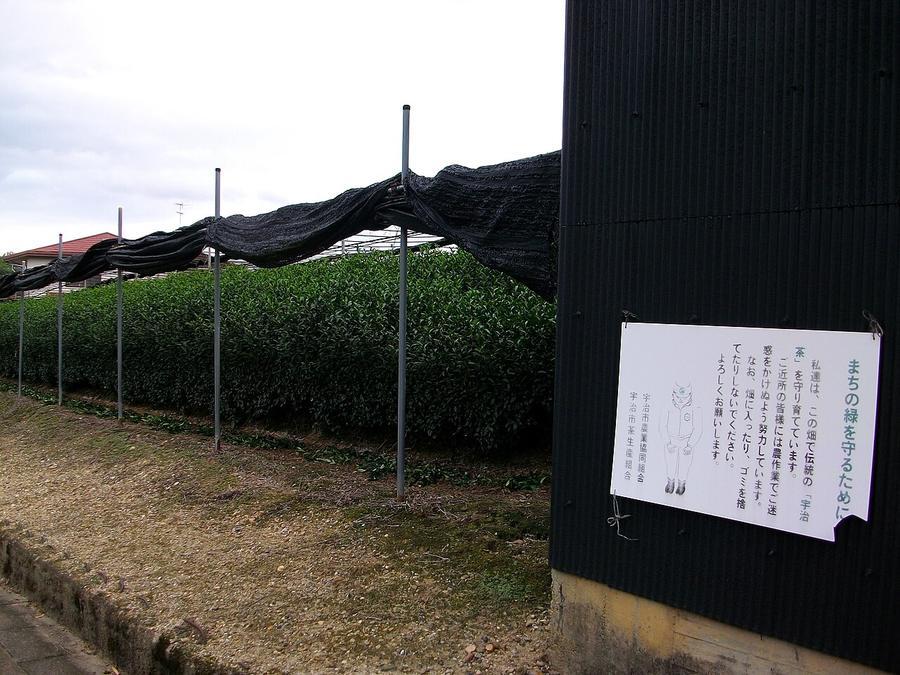
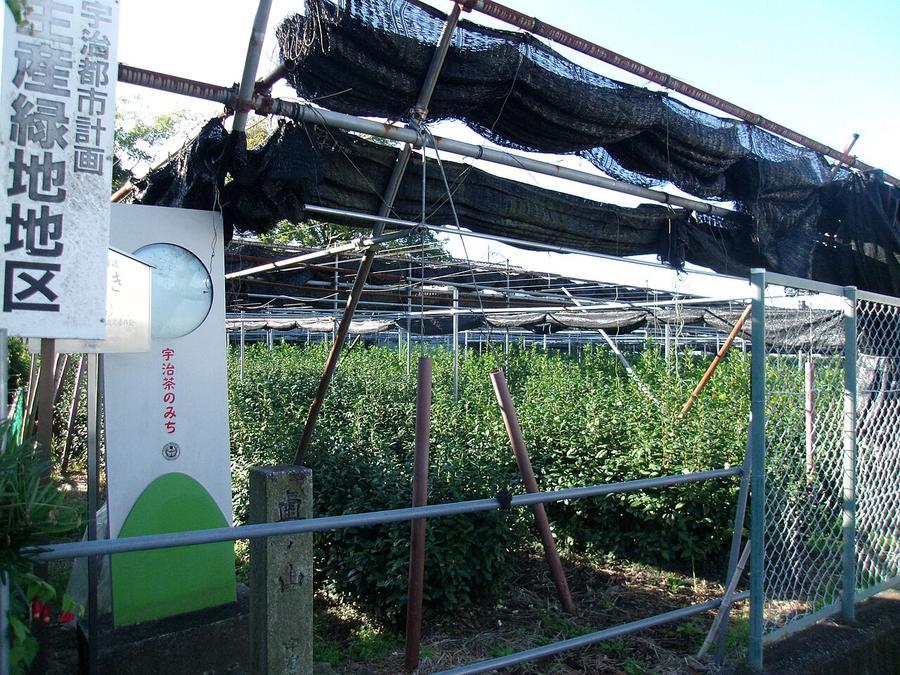
Tea wholesaler with its own tea field
Yamamasa Koyamaen山政小山園
A wholesaler that traces its tea fields to the early Edo period and helped develop three Uji cultivars.
Founded 1861Uji, Kyoto
14 Yamamasa Koyamaen products in MatchaDB, a standard 30 g tin running $13.30 to $162.00. See every product and where to buy
At a glance
- Founded
- 1861 (Bunkyu 1), by Masajiro Koyama; tea growing at Uji and Ogura goes back earlier, by the company's account
- Based in
- Uji, Kyoto Prefecture
- Customers
- Supplies over a thousand tea shops, the company says
- Cultivars
- Asahi, Samidori and Komakage, developed with Jinnojo Hirano
The story
Yamamasa Koyamaen says its family grew tea at Uji and Ogura from the beginning of the Edo period, around 1600. Its founder, Masajiro Koyama, started selling tea in 1861; the second Masajiro opened retail sales and spread the business nationwide.
In the Taisho and early Showa years (about 1912 to 1940) the company says it built the industry's first matcha plant equipped with air conditioning and refrigeration for tea, and began selling matcha in cans (10 monme, about 37.5 g), which it credits with helping popularise canned tea.
Its third-generation head, also named Masajiro Koyama, worked with the Uji farmer Jinnojo Hirano to grow and assess elite cultivars: Asahi, Samidori and Komakage, which Kyoto Prefecture recommended. This lines up with the cultivar pages on this site, where Asahi is credited to Hirano Jinnojo and Samidori to a farmer named Koyama Masajiro.
Timeline
c. 1600
Tea cultivation begins on the family's land at Uji and Ogura (early Edo period).
1861
Founder Masajiro Koyama starts selling tea.
Taisho–early Showa
The company builds a matcha plant with air conditioning and refrigeration, and sells matcha in 10 monme cans (about 1912 to 1940, by its own dating).
Showa era
Third-generation Masajiro Koyama and Jinnojo Hirano cultivate Asahi, Samidori and Komakage.
The people and the family
Masajiro Koyama小山政次郎
Founder (1861), then a second and a third generation of the same name; the third worked with Jinnojo Hirano on Uji cultivars.
Jinnojo Hirano平野甚之丞
Uji farmer who selected Asahi, and worked with the Koyama family on Samidori and Komakage.
Sources: Yamamasa Koyamaen: Company profile; Yamamasa Koyamaen: Our history. Most of this is the company's own account of its history; where it says something about itself, the page says so. Spotted a mistake? Tell us.