MatchaDB

Panthéon

Les personnes derrière le matcha

Dix personnes, dans l'ordre où elles ont vécu, qui ont créé la culture du thé dont naît le matcha, l'ont portée au Japon, en ont fait un art, puis l'ont emmenée vers l'Ouest.

C'est notre propre sélection, pas un classement officiel. D'autres méritent leur place, et quand le récit repose sur la tradition, nous le disons. Chaque personne renvoie aux sources utilisées.

Aux origines : la Chine

Les écrivains et les souverains qui ont bâti la culture du thé dont est issu le thé fouetté.

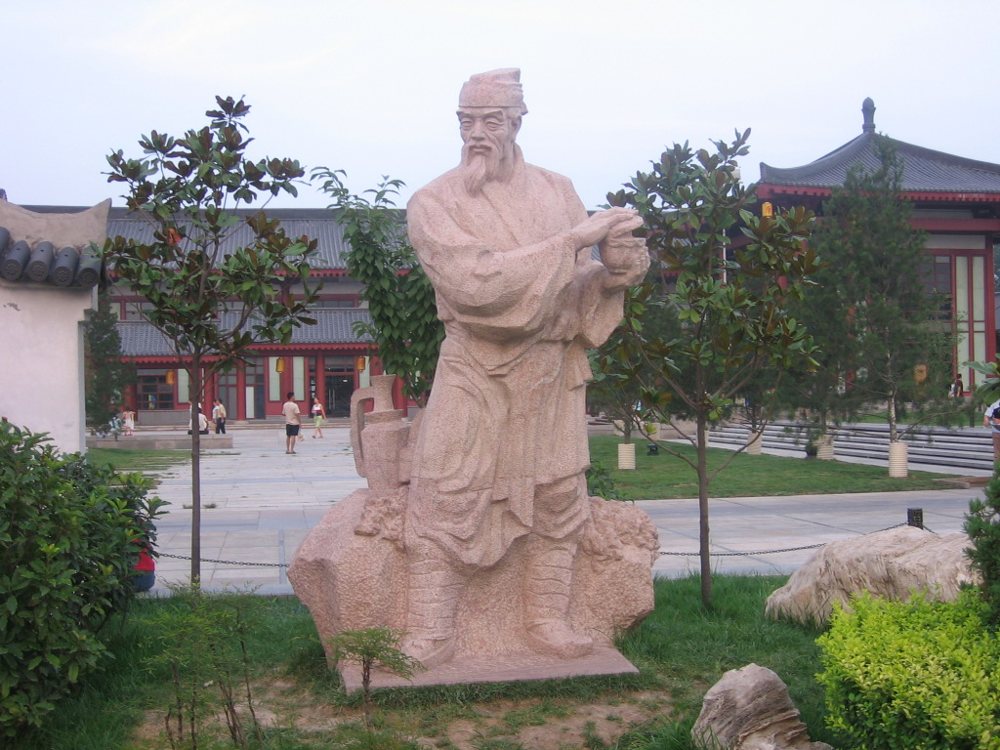
Statue of Lu Yu
Statue of Lu Yu. Public domain

Lu Yu陸羽

733–804

Wrote the first great book on tea

Lu Yu was a Tang-dynasty scholar from Tianmen in what is now Hubei. After finishing his studies around 752 he stayed in Jingling, where he wrote The Classic of Tea (Cha Jing). It is described as the first definitive work on growing, making and drinking tea.

Apports

  • Set out tea's origins, cultivation, preparation and the tools for drinking it in a single work
  • Helped turn tea drinking into a cultured pastime in Tang China
  • Became a legend: tea sellers of the era reportedly made pottery figures of him and honoured him as the tea god

Tang-era tea was prepared differently from modern matcha. He is here because the later tradition of tea writing, and of whisked tea in the Song dynasty, grew from the culture he documented.

Sources : Lu Yu (Wikipedia)
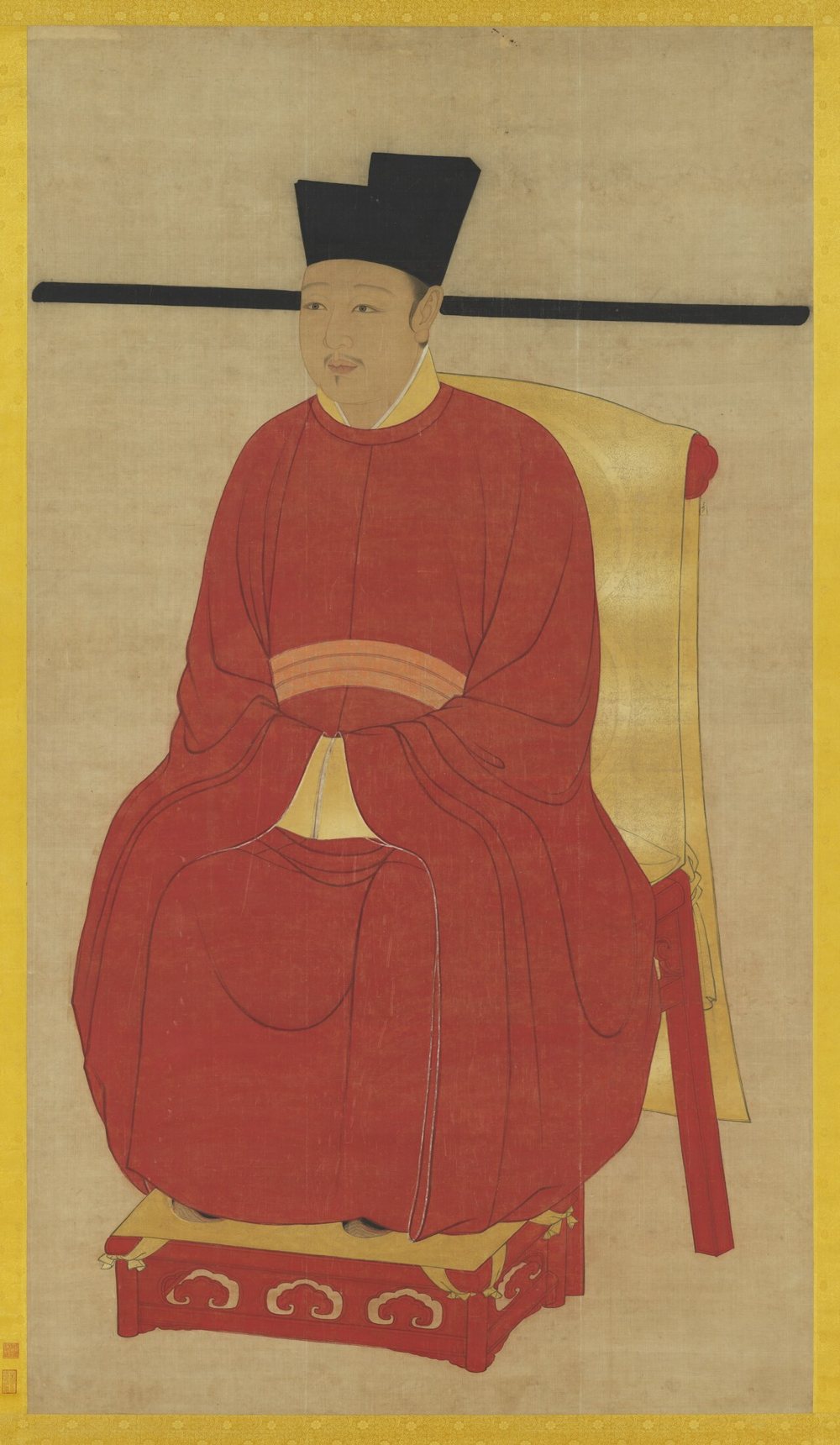
Painted portrait of Emperor Huizong seated in a red robe
Seated portrait of Emperor Huizong (Song dynasty painting). Public domain

Emperor Huizong of Song宋徽宗

1082–1135

The emperor who wrote the Song tea treatise

Huizong was an emperor of the Northern Song dynasty and a famous art patron. He was also a great tea enthusiast, and he is credited with The Treatise on Tea, described as the most detailed and masterful account of the Song dynasty's sophisticated style of tea ceremony.

Apports

  • Left one of the fullest surviving accounts of how the Song court prepared and judged tea
  • Lent the weight of the throne to a refined tea culture that Japanese Zen monks visiting China later studied

Song tea was powdered tea whisked in a bowl, the direct ancestor of Japanese matcha. That link is why Japanese monks who trained in China carried the practice home.

Sources : Emperor Huizong of Song (Wikipedia)

Japon : graines, terre et Voie du thé

Les moines et les maîtres qui ont planté le thé, puis lui ont donné forme et sens.

Woodblock print of women preparing tea in a tearoom
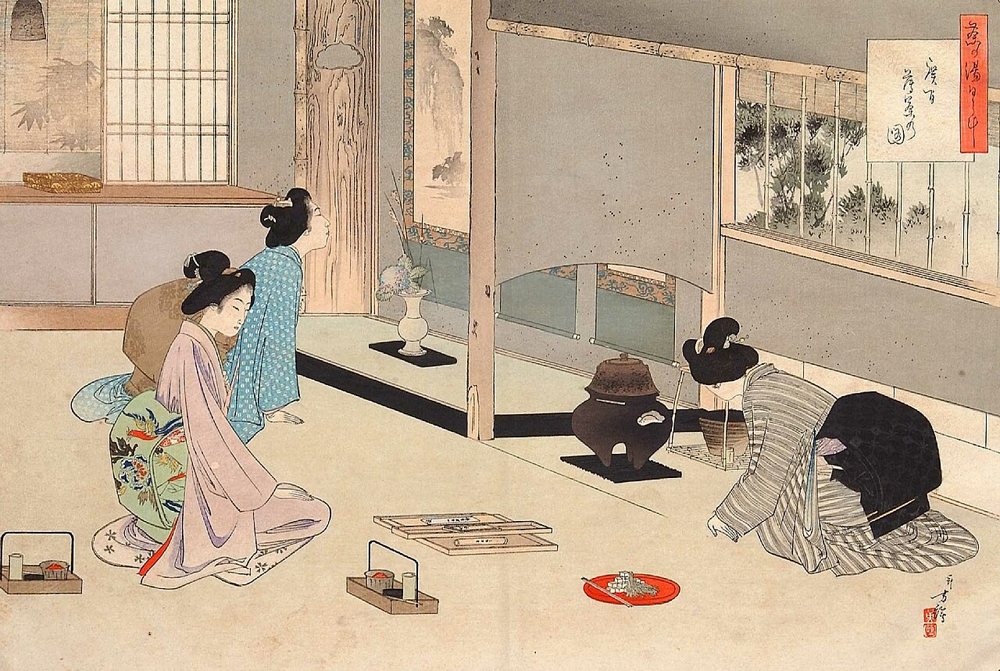
Making usucha, thin powdered tea: woodblock print by Mizuno Toshikata. Public domain
Painted portrait of the monk Eisai seated
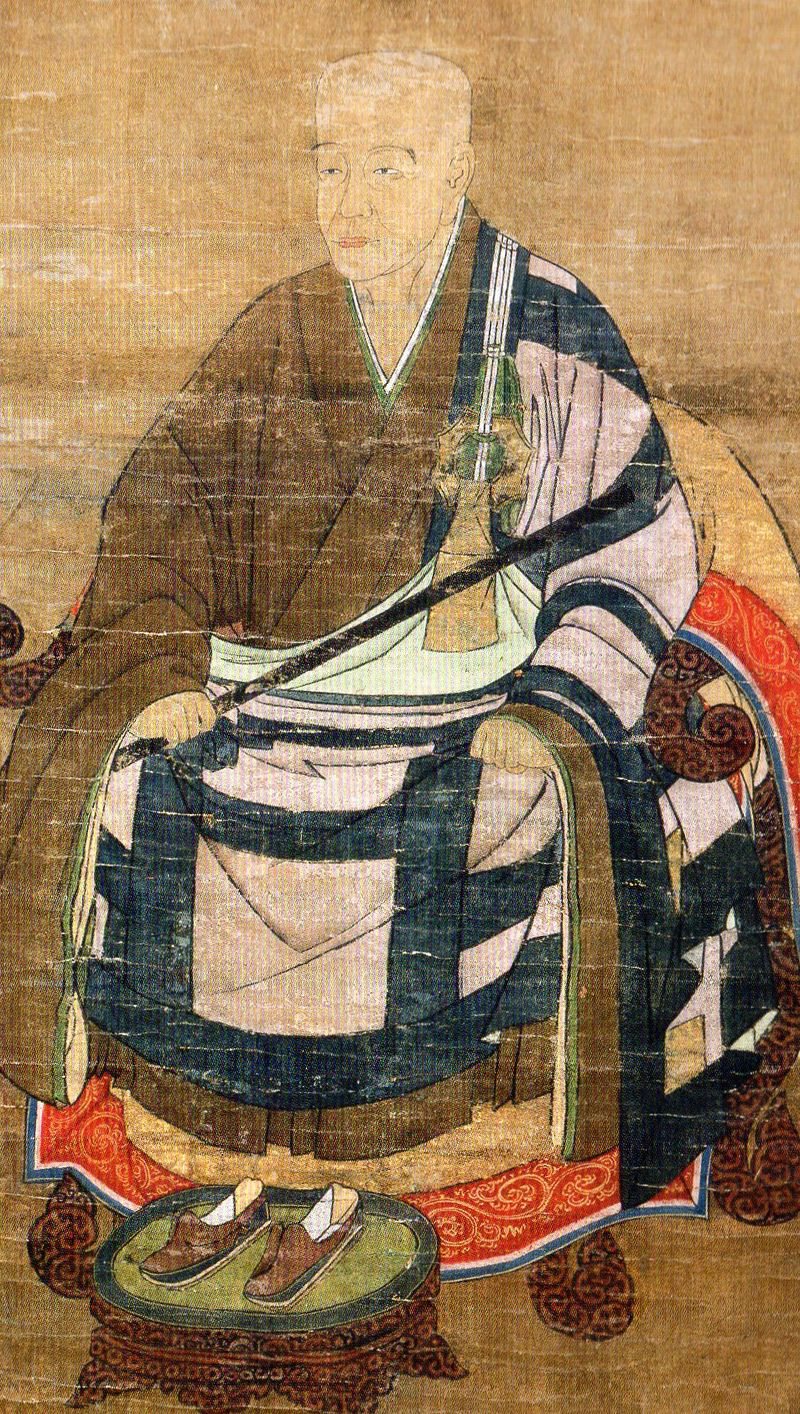
Eisai (Myōan Yōsai), portrait at Kennin-ji, Kyoto. Public domain

Eisai栄西

1141–1215

Brought tea seeds and the tea habit from China

Eisai was a Zen monk born in Bitchū Province. After a second trip to China (1187–1191) he returned to Japan in 1191 with Zen scriptures and green tea seeds, and founded Shōfuku-ji in Kyūshū.

Apports

  • Returned from China in 1191 with tea seeds, a founding moment in Japanese tea history
  • Wrote Kissa Yōjōki (“Drinking Tea for Health”), arguing that tea supplies the bitter taste the Japanese diet lacked and protects the heart
  • Tradition says he planted seeds at Seburiyama in Hizen, and that he passed some on to the monk Myōe

The planting stories are tradition rather than documented fact, and sources vary on details.

Sources : Eisai (Wikipedia), History of tea in Japan (Wikipedia)

A young tea tree beside a sign in the grounds of Shōfuku-ji
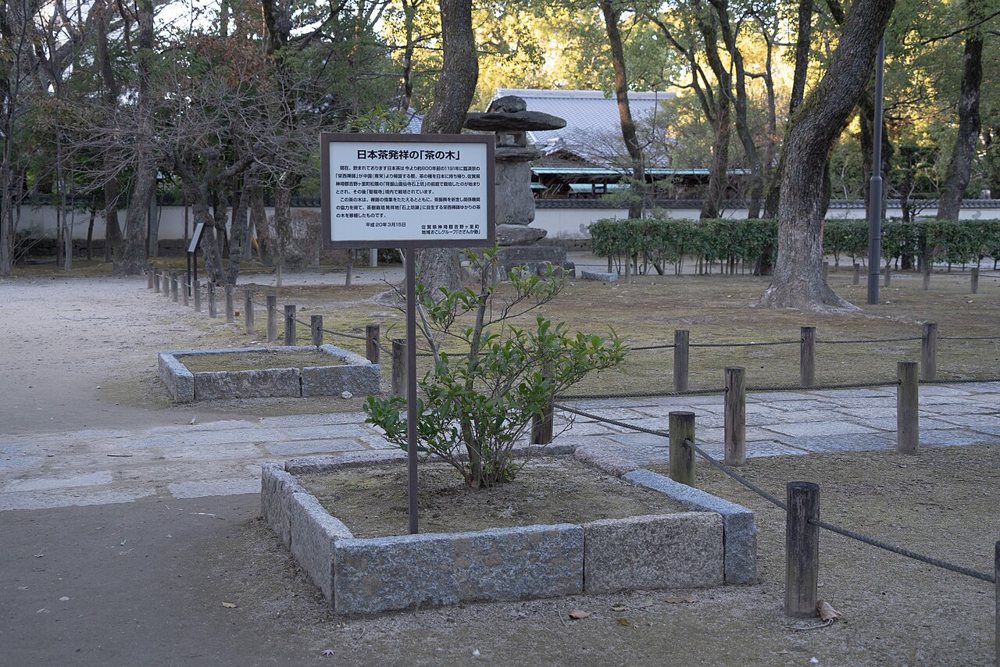
A tea tree at Shōfuku-ji, Fukuoka, the temple Eisai founded in 1191. Tsuyoshi chiba, CC BY-SA 4.0
Line drawing of the monk Myōe seated with a book
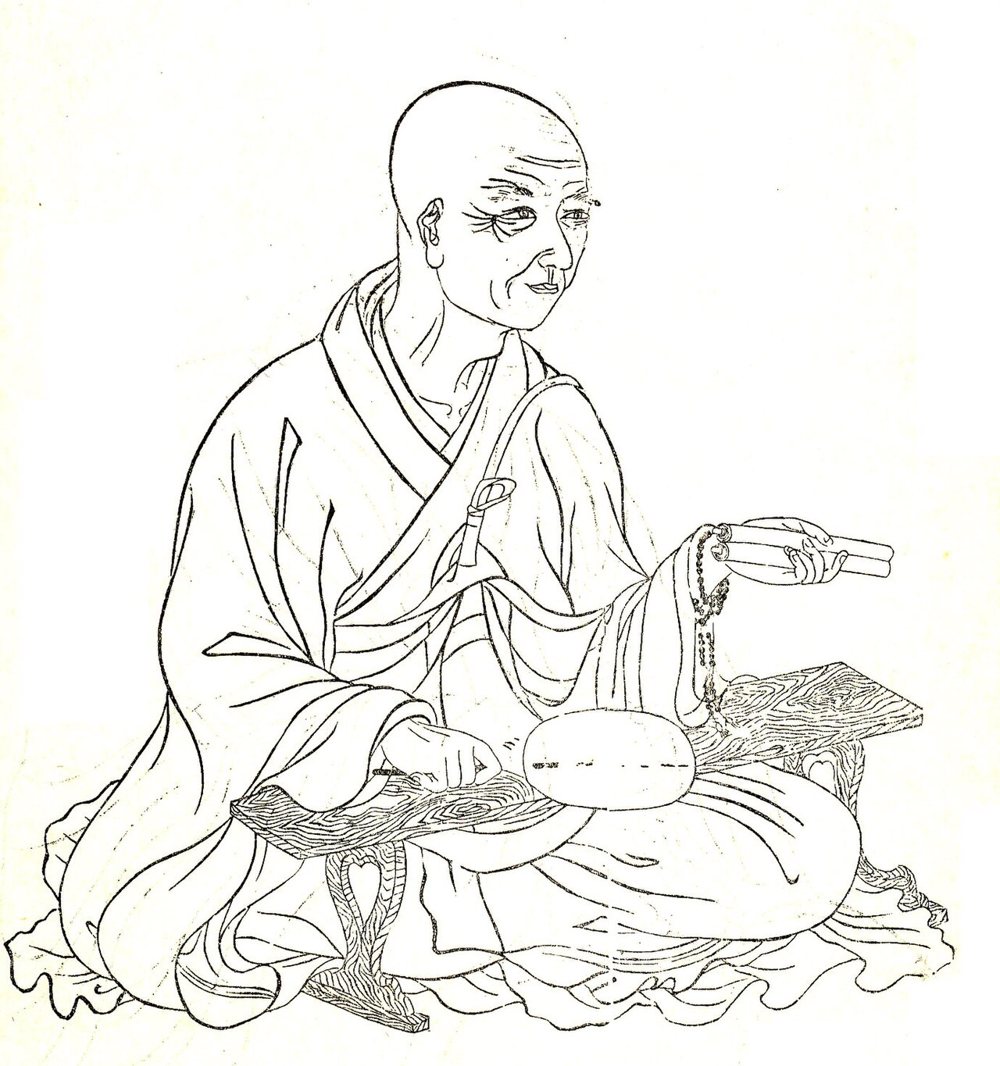
Myōe, from a drawing after a painting by Tani Bunchō and others. Public domain

Myōe明恵

1173–1232

Planted the tea that became Uji

Myōe was a Buddhist monk who studied Zen under Eisai by about the age of twenty. In the traditional account Eisai gave him tea seeds, which he planted at Toganoo (Kōzan-ji, near Kyoto), and from there tea spread to nearby Uji.

Apports

  • By tradition, started the tea fields at Toganoo, whose tea was known as honcha, “true tea”
  • His plantings are credited as the start of tea growing around Kyoto, the region that later made Uji synonymous with matcha

Sources differ on whether he planted at Kōzan-ji itself, nearby, or in Uji, and on when Uji tea overtook Toganoo's (by the 15th century in some accounts, the late 1500s in others). Treat the story as tradition, not proven history.

Sources : Myōe (Wikipedia), Uji tea (Wikipedia), History of tea in Japan (Wikipedia)

A wooden temple hall among trees at Kōzan-ji
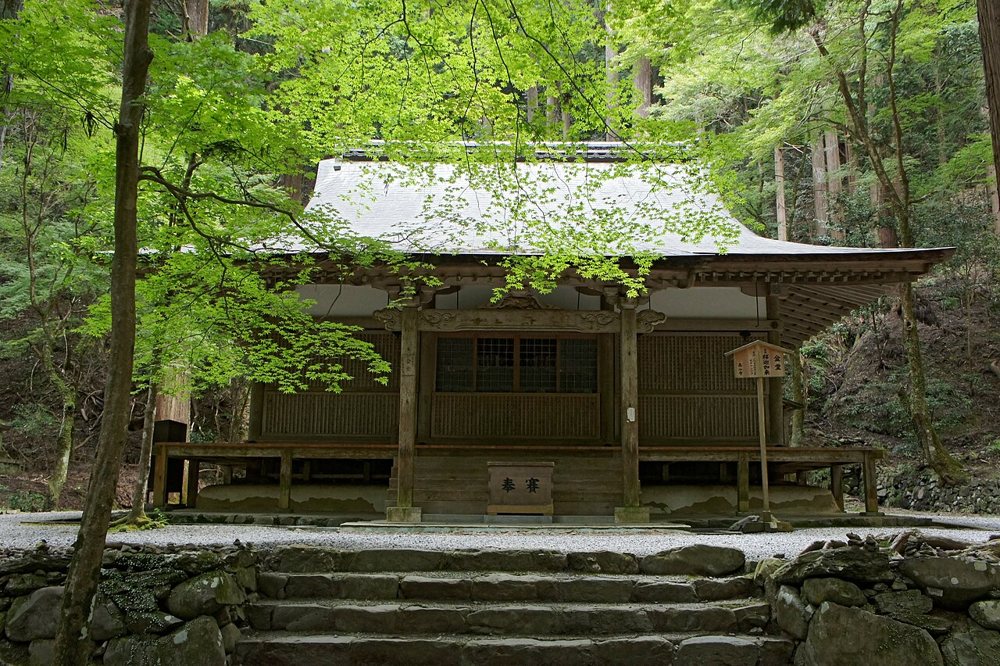
Kōzan-ji, Kyoto, where tradition places Myōe's first tea planting. 663highland, CC BY 2.5
Rows of tea bushes at Uji with a pagoda behind
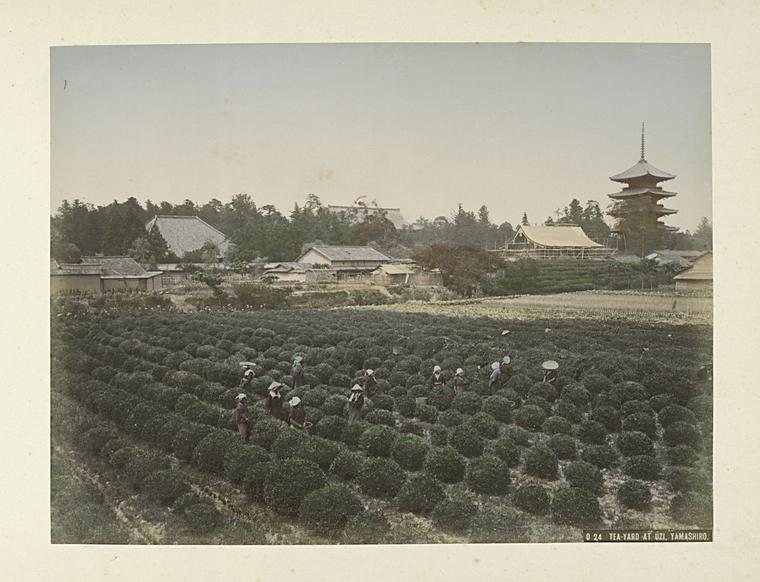
A tea yard at Uji, photographed in the late 19th century (New York Public Library). New York Public Library, no known copyright restrictions
Painted portrait of Murata Jukō seated with a sword beside him
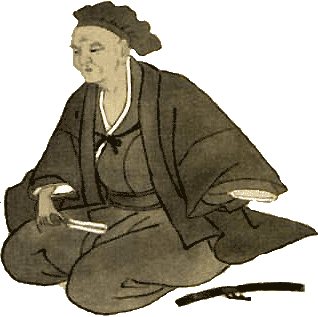
Murata Jukō. Public domain

Murata Jukō村田珠光

1423–1502

Made tea a spiritual practice

Born in Nara, Murata Jukō studied Zen under the priest Ikkyū Sōjun, whose teaching that the Buddha's law is also found in the Way of Tea inspired him. He is counted among the first developers of wabi-cha, the plain, humble style of tea.

Apports

  • Helped create wabi-cha, using native Japanese tea utensils
  • Developed the four-and-a-half-mat tearoom, later the standard under Sen no Rikyū
  • Taught four values: humble reverence, respect, purity and calm
  • Set out his ideas in Kokoro no fumi (“Letter of the Heart”), written around 1488

Sources : Murata Jukō (Wikipedia)

Takeno Jōō武野紹鷗

1502–1555

Carried wabi-cha from Jukō to Rikyū

A wealthy merchant of Sakai whose family dealt in leather goods for warriors, Takeno Jōō followed Murata Jukō as an early champion of wabi-cha. He was the foremost tea master in Sakai, and his circle was shaped by poetry and Zen.

Apports

  • Carried Jukō's wabi-cha forward and made Sakai a centre of tea
  • Developed a tea style suited to Sakai's customs rather than Kyoto's
  • Taught Sen no Rikyū, the most important tea master in history

Sources : Takeno Jōō (Wikipedia)

Painted portrait of Sen no Rikyū seated in dark robes
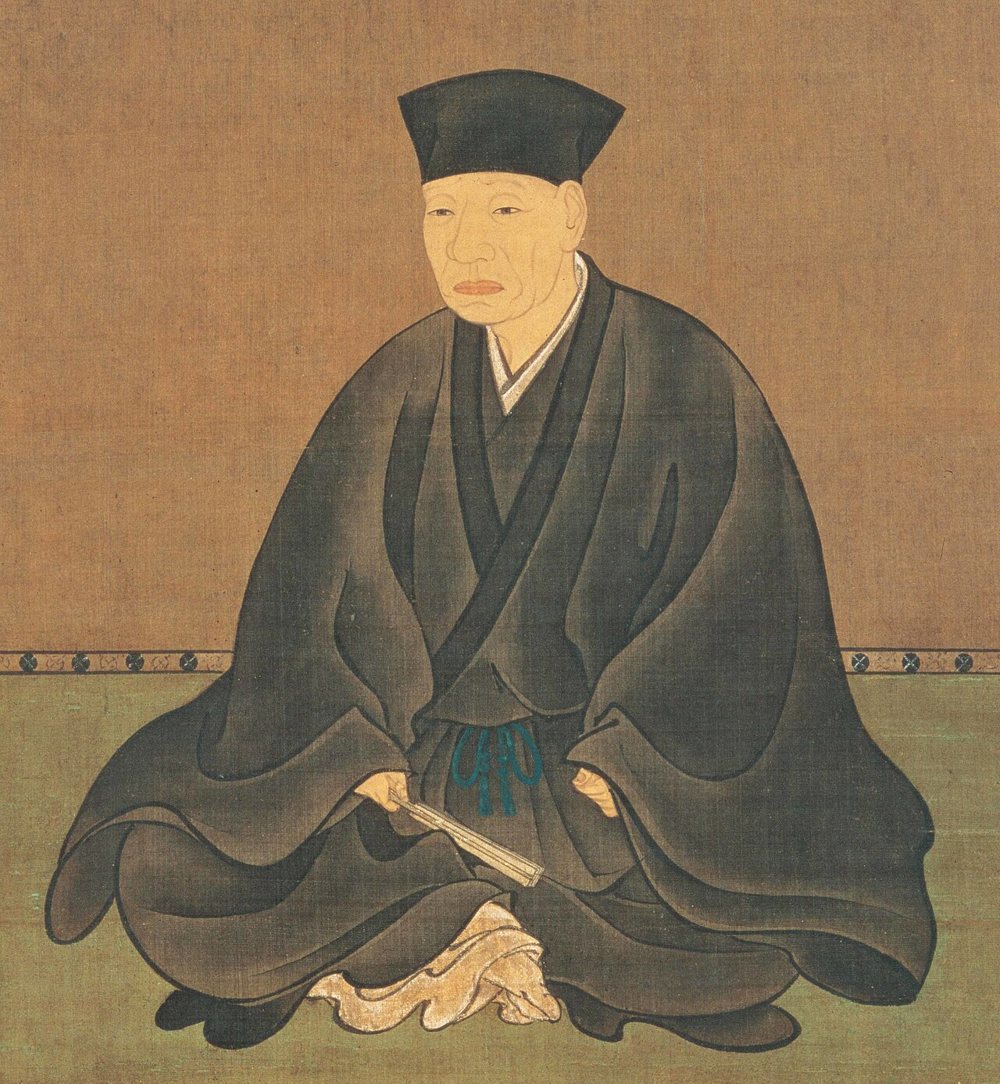
Sen no Rikyū, portrait by Hasegawa Tōhaku. Public domain

Sen no Rikyū千利休

1522–1591

Perfected the Japanese tea ceremony

Born in Sakai, Sen no Rikyū is regarded as the most influential figure in the Japanese tea ceremony, especially wabi-cha, which stresses rustic simplicity, directness and honesty. He became tea master to Oda Nobunaga in 1579 and to Toyotomi Hideyoshi after Nobunaga's death in 1582.

Apports

  • Distilled wabi-cha into the form still practised today
  • Played a central role in Hideyoshi's Grand Kitano Tea Ceremony of 1587
  • His descendants founded the three schools that carry on his lineage: Omotesenke, Urasenke and Mushakōjisenke
  • Ordered by Hideyoshi to take his own life in 1591; the exact reasons remain uncertain

Sources : Sen no Rikyū (Wikipedia)

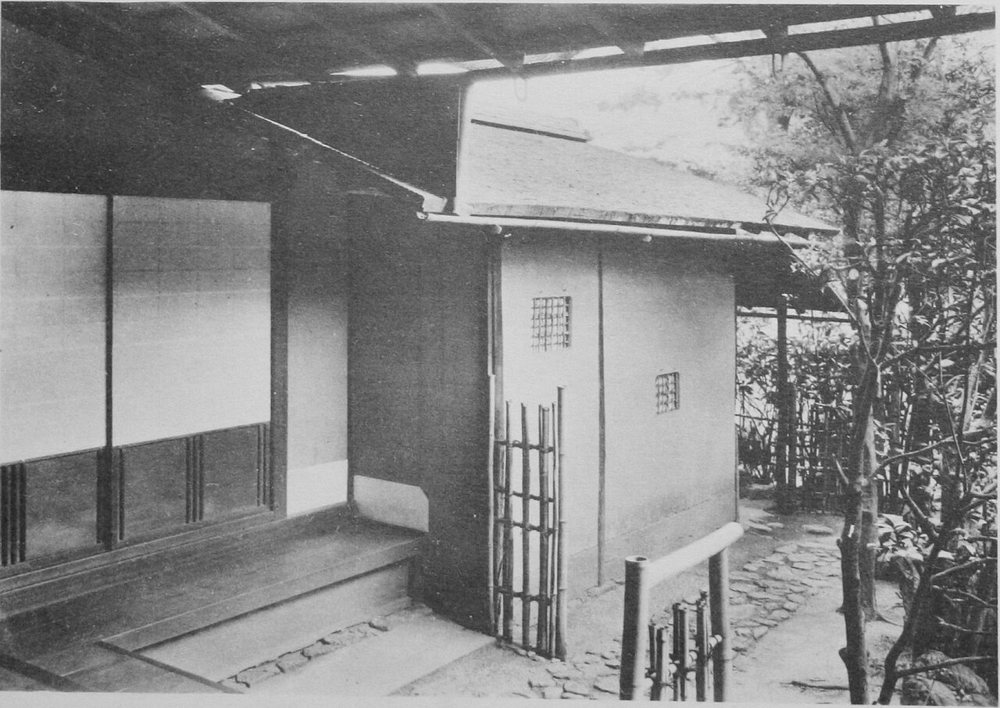
Black-and-white photograph of the small Tai-an tearoom building
The Tai-an tearoom at Myōkian, Kyoto, late 16th century. Public domain

Le thé vers l'Ouest

L'écrivain et les professeurs qui ont fait connaître la culture du thé aux États-Unis.

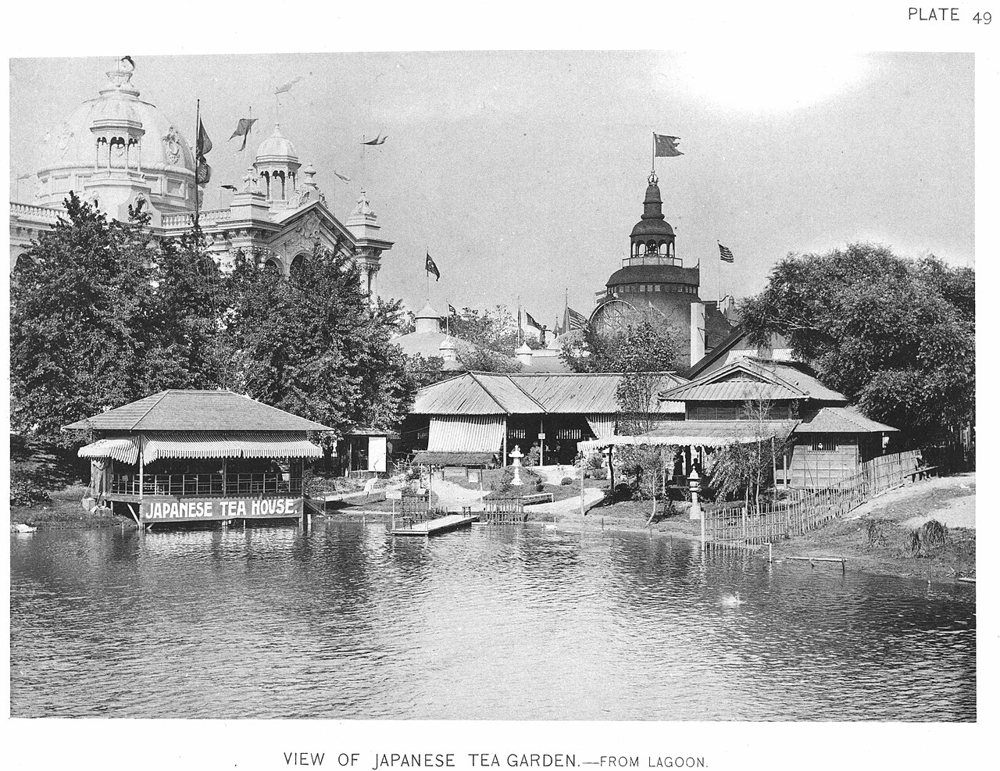
Black-and-white view of a tea house on a lagoon at the fair
The Japanese tea garden at the 1893 World's Columbian Exposition, Chicago. Public domain
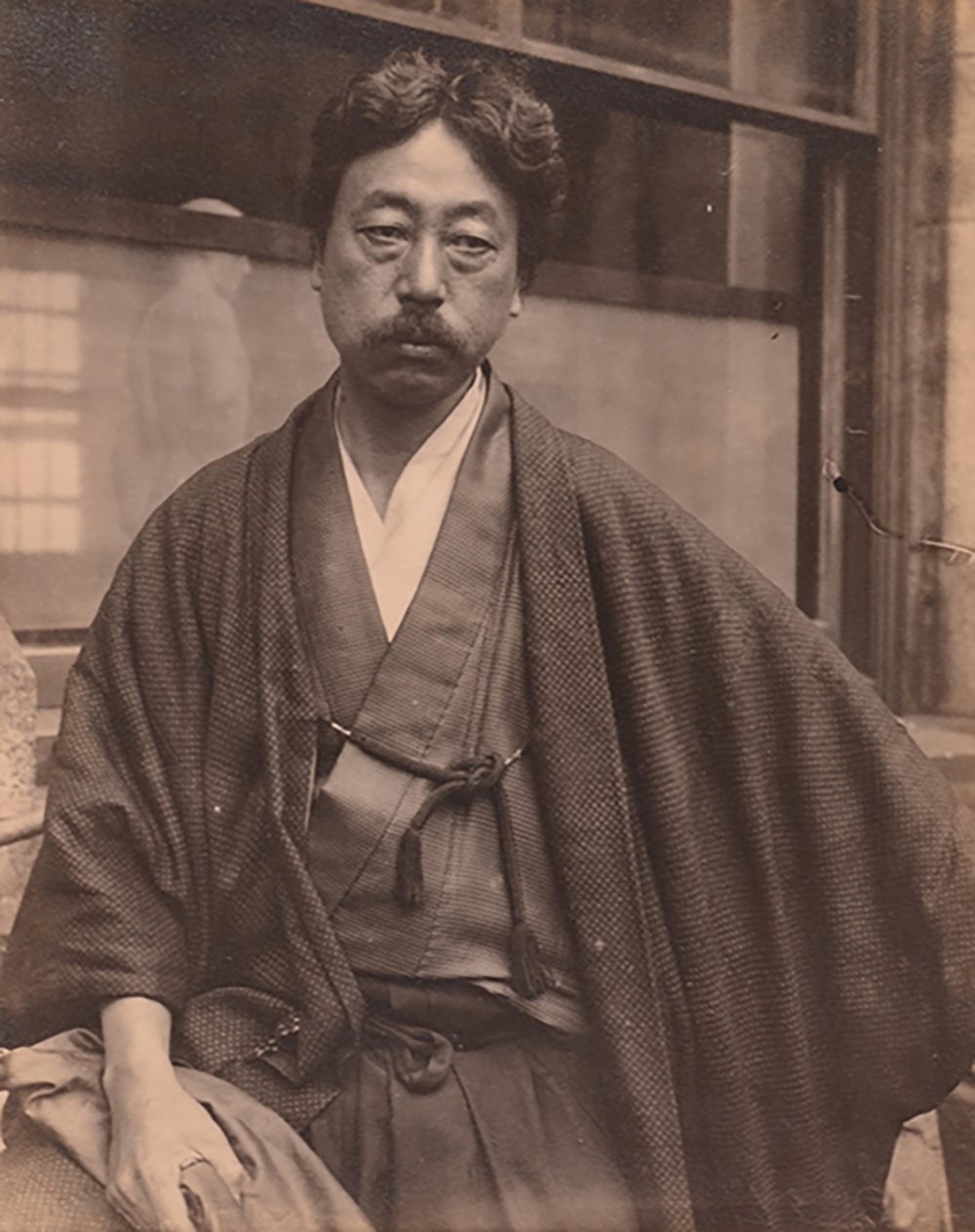
Portrait photograph of Okakura Kakuzō
Okakura Kakuzō, about 1905. Public domain

Okakura Kakuzō岡倉覚三

1863–1913

Explained tea to the English-speaking world

Born in Yokohama, Okakura was an art scholar who wrote The Book of Tea in English, published by Putnam's in New York in 1906. In 1906 William Sturgis Bigelow invited him to the Museum of Fine Arts, Boston, where he became curator of the Department of Japanese and Chinese Art in 1910.

Apports

  • Wrote The Book of Tea (1906), still one of the best-known introductions to tea and Japanese aesthetics for Western readers
  • Argued that tea is more than a way of drinking: a philosophy of beauty and simplicity
  • Brought Asian art and ideas to an American museum audience as a curator in Boston

Sources : Okakura Kakuzō (Wikipedia)

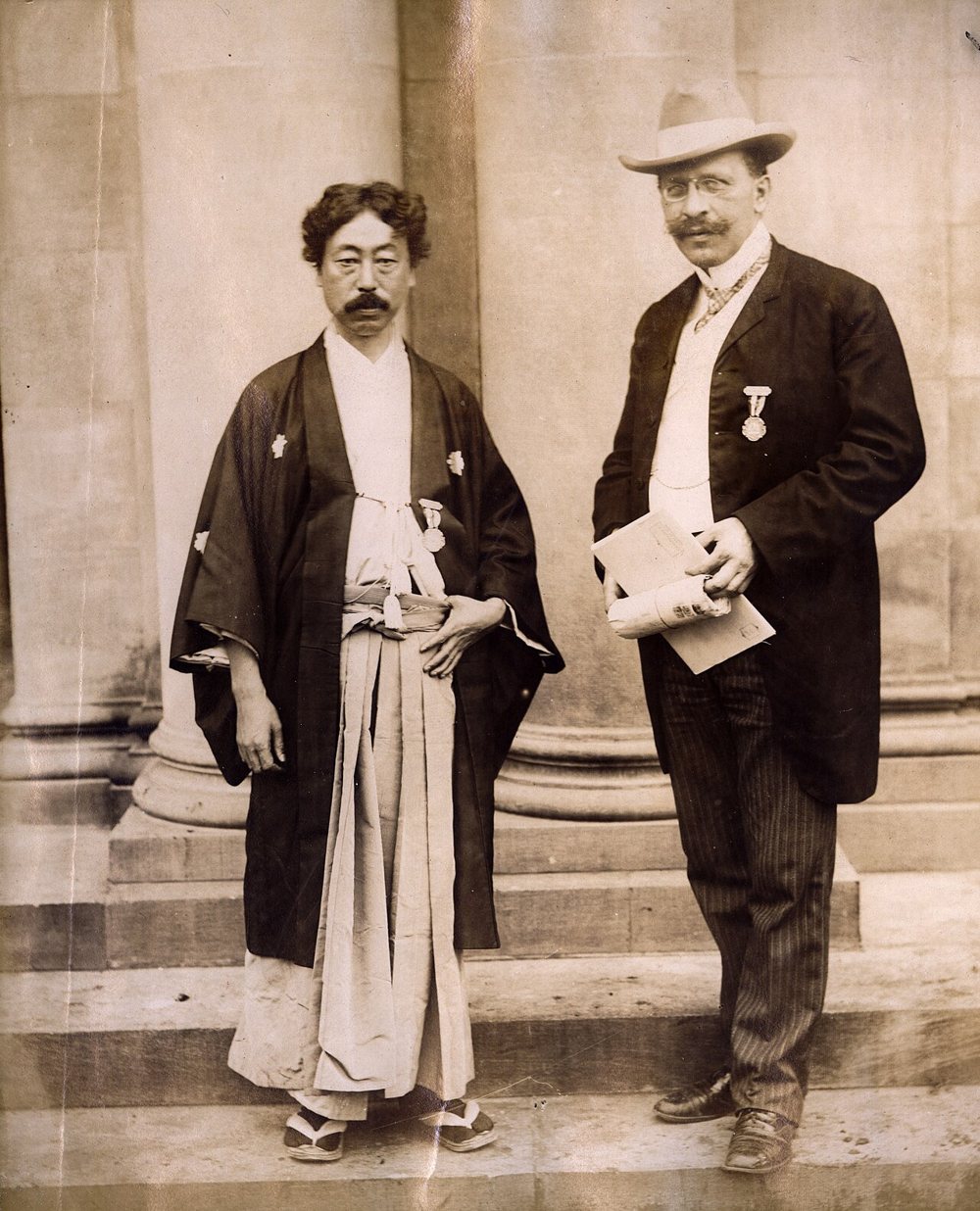
Two men in front of a building, one in Japanese dress
Okakura (left) with Hugo Münsterberg at the 1904 World's Fair, St. Louis. Public domain

Sosei Shizuye Matsumoto

active from 1951

Started tea ceremony classes in America

Born in Honolulu, Matsumoto began tea training in 1941 and spent six years in Kyoto under the 14th and 15th Urasenke grand masters. In 1951 she started teaching Urasenke tea in Los Angeles, holding the first tea ceremony classes in the United States.

Apports

  • Opened the first Urasenke tea classes in the United States (Los Angeles, 1951)
  • Served tea over four days to more than 3,000 officials at the San Francisco signing of the U.S.–Japan peace treaty in 1951
  • Introduced chado to American television audiences on CBS and NBC in the 1950s
  • Presented the tea ceremony at the 1968 Olympic Arts Festival in Mexico City; named a National Heritage Fellow by the National Endowment for the Arts in 1994

Sources : National Endowment for the Arts: Sosei Shizuye Matsumoto, Library of Congress: Japanese tea ceremony

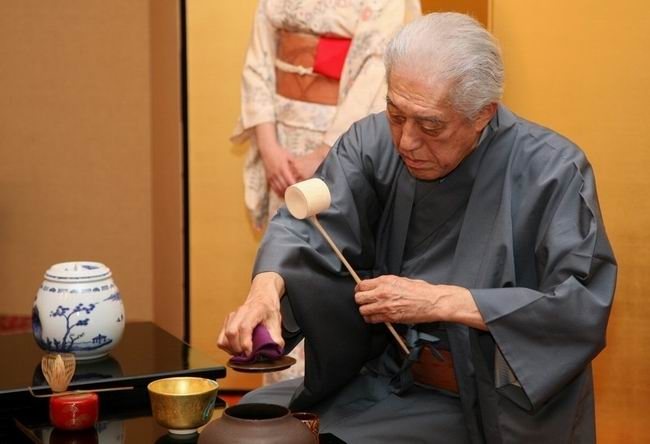
An elderly man whisking tea in a bowl
Sen Genshitsu preparing tea during a meeting with Maria Kaczyńska, Poland's first lady, June 2007. Archive of the Chancellery of the President of the Republic of Poland, GFDL 1.2

Sen Genshitsu (Sen Sōshitsu XV)千玄室

1923–2025

Took “peace through a bowl of tea” around the world

The 15th grand master of the Urasenke school (from 1964 until he handed the role to his son in 2002) travelled to the United States in 1951 to introduce the tea ceremony, and spent decades promoting tea as a path to peace. He died in Kyoto on August 14, 2025, aged 102.

Apports

  • Introduced the Urasenke tea ceremony to America in 1951 and spent decades promoting it abroad
  • Used tea as a message of peace, including serving tea at the USS Arizona Memorial in Hawaii in 2011
  • Trained teachers such as Sosei Shizuye Matsumoto, who studied under him in Kyoto

A claim that he served as a UNESCO goodwill ambassador appears in only one source we found, so it is left out.

Sources : Sen Sōshitsu XV (Wikipedia), AP obituary, via The Week

Une erreur, ou quelqu'un qui manque ? Dites-le-nous et nous vérifierons auprès des sources.