Tea house and blender
Chikiriya Tea Houseちきりや
A Kyoto tea house that grew out of a merchant family's kimono shop and once owned its own Uji plantation.
Founded 1854Kyoto
10 Chikiriya Tea House products in MatchaDB, a standard 30 g tin running $3.08 to $88.50. See every product and where to buy
At a glance
- Founded
- 1854, in Kyoto, by Kakubei Akiyama the fifth
- Name
- From the Chikiriya merchant family of sixteenth-century Kyoto
- Own plantation
- Uji, from 1910 until post-war land reform
- Certifications
- JAS Organic since 2001; ISO 9001 since 2006 (its blending factory)
The story
The name Chikiriya goes back to the sixteenth century, to the merchant family of Chikiriya Kichiemon in Kyoto and its clothing shop. The tea house itself began in the nineteenth century with Kakubei Akiyama the fifth, a member of that family, who in 1854 opened his own shop under the Chikiriya name and sold Uji sencha alongside the family's kimono business.
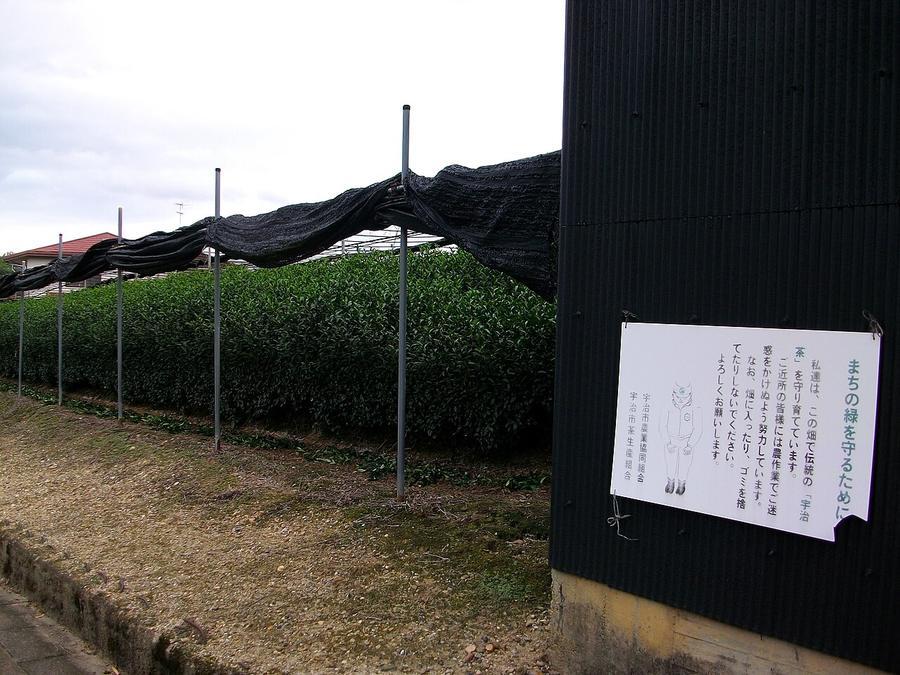
His successor, Kakubei Akiyama the sixth, turned it into an exclusive tea house, Chikiriya Chaten. In 1910 the company acquired its own tea plantation in Uji with a factory making mainly gyokuro and matcha, and, by its account, was one of only three tea houses to own a plantation until the Second World War, when land reform ended its ownership.
After the war it rebuilt in Kyoto and the Kansai region, entered the Hanshin department store in Umeda, Osaka, in 1957, and began selling through CO-OP supermarkets, first in Kyoto in 1964 and nationwide in 1976. It built its own blending factory in 1988, certified for JAS organic production since 2001 and ISO 9001 since 2006.
Timeline
1854
Kakubei Akiyama the fifth opens Chikiriya, selling Uji sencha.
1910
The company acquires its own tea plantation and factory in Uji.
1957
The brand enters the Hanshin department store in Umeda, Osaka.
1988
Builds its own blending and conditioning factory.
The people and the family
Kakubei Akiyama the fifth
Founder of the tea house (1854), from the Chikiriya family.
Kakubei Akiyama the sixth
Successor, who turned the shop into an exclusive tea house.
Today
- Sells through its Kyoto tea house, department stores and CO-OP supermarkets in Japan, and online
Awards and certifications
- JAS Organic certification (since 2001) and ISO 9001 (since 2006) for its blending factory, by its own history page
Where it is
Based in Kyoto. The pin marks the town, not a street address.
Sources: Chikiriya Tea House: our history. Most of this is the company's own account of its history; where it says something about itself, the page says so. Spotted a mistake? Tell us.